Pixelcraft: A Retro Font for Modern Creative Projects
There’s a distinct power in nostalgia. It’s the feeling of a worn-in leather jacket, the crackle of a vinyl record, or the iconic startup sound of a classic video game console. In the design world, capturing that feeling isn’t about imitation; it’s about evoking an emotion. The Pixelcraft typeface does exactly that. It’s not just a collection of blocky letters; it’s a direct channel to the 8-bit and 16-bit eras, a premium font that transforms modern designs into memorable experiences. If your project needs to connect with an audience on a visceral, retro-inspired level, understanding how to wield this unique creative font is essential.
The Anatomy of a Pixel: Understanding Pixelcraft's Visual DNA
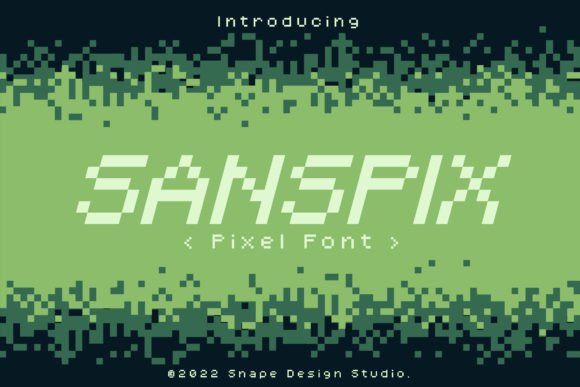
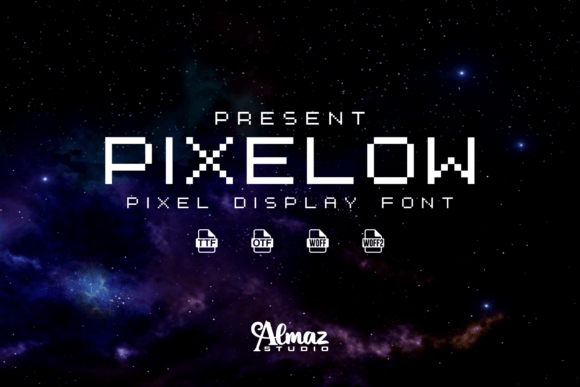
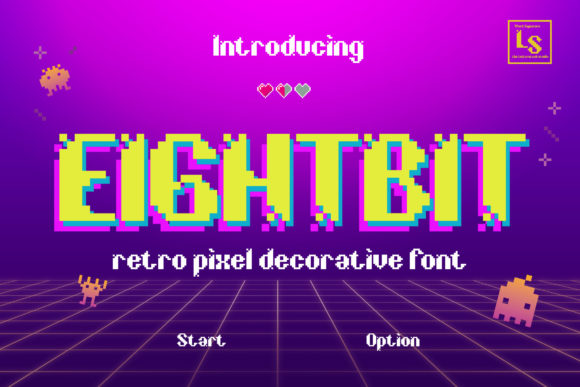
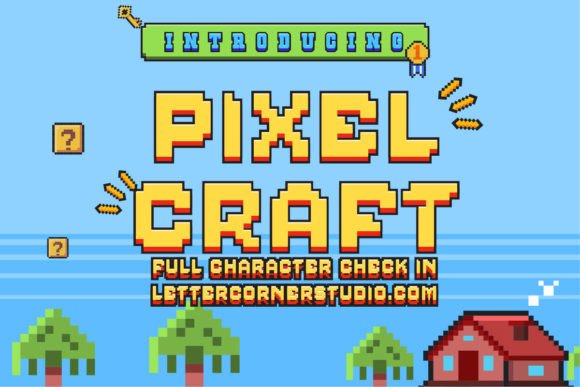
At first glance, Pixelcraft is unmistakably a display font. Its construction is rooted in the grid-based limitations of early computer graphics, where every curve and line was an intentional arrangement of square pixels. This gives it a distinct, chunky silhouette with sharp, right-angle corners. The personality it conveys is one of directness, nostalgia, and a playful, digital authenticity. It’s the typographic equivalent of a power-up mushroom—immediately recognizable and full of energy.
Unlike a flowing script font or an elegant serif font, Pixelcraft doesn’t whisper. It declares. Its strength lies in its simplicity and the powerful cultural memory it triggers. For a generation that grew up with early gaming, this style of modern typography isn't just a design choice; it's a shared language. It instantly signals a brand or project that is fun, approachable, and unafraid to embrace a bit of character. This makes it a fantastic tool for standing out in a sea of minimalist sans serif font and generic corporate typefaces.
Strategic Applications: Where Pixelcraft Truly Shines
Knowing what a font is and knowing how to use it are two different things. The practical value of Pixelcraft is unlocked when you apply it to the right contexts. Its bold, high-impact nature means it’s not suited for body text in a novel, but it can be a game-changer in the right scenario.
- Logo Design and Brand Identity: For businesses in the gaming, tech, entertainment, or even food and beverage sectors (think retro-themed cafes or craft breweries), a Pixelcraft logo is an instant conversation starter. It builds a brand identity that is memorable and distinct. A logo set in this typeface feels confident and establishes a clear personality from the first impression.
- Packaging Design: On a crowded shelf, a product using Pixelcraft for its headline or key callouts can stop a consumer in their tracks. It’s particularly effective for products targeting a millennial or Gen X audience that appreciates the nostalgic nod. Imagine a box for a new hot sauce or a bag of artisanal coffee beans using this font to highlight a "Fiery" or "Bold" flavor profile.
- Digital and Social Media Graphics: This is where Pixelcraft excels. The font’s clean, pixel-perfect geometry renders beautifully on screens of any resolution. Use it for web design headers, YouTube video thumbnails, Instagram story titles, or the main text on a promotional banner. It grabs attention in a fast-scrolling feed far more effectively than a standard sans serif font.
- Editorial and Publishing: While you wouldn’t set an entire magazine article in it, Pixelcraft is perfect for editorial design pull quotes, section headers, or the title of a feature story about technology, gaming, or pop culture. It adds a layer of thematic depth and visual interest that draws readers in.
- Events, Merchandise, and Personal Projects: From t-shirt designs and event posters to wedding invitations for a gaming-enthusiast couple, the applications are vast. It’s a fantastic design asset for crafters and hobbyists looking to create something with a unique, handcrafted digital feel.
Practical Guidance: Integrating Pixelcraft into Your Workflow
Adding a new font to your toolkit is more than just clicking "install." To get the most out of a commercial font like Pixelcraft, a thoughtful approach is necessary. This ensures it enhances your project rather than clashing with other elements.
Evaluating Project Fit and Readability
First, ask if the retro-pixel aesthetic aligns with your project's goals. If you’re designing for a law firm or a luxury spa, Pixelcraft is likely the wrong choice. But for a mobile game, a tech startup, or a brand with a quirky, fun-loving voice, it’s a perfect match. A critical consideration is readability. Because of its stylistic nature, use Pixelcraft for headlines, titles, and short bursts of text—typically under ten words. Reserve your body copy for a highly legible sans serif font or a clean serif font. This contrast creates a strong visual hierarchy, guiding the viewer’s eye exactly where you want it to go.
Mastering Font Pairing
The secret to using a powerful display font effectively is pairing it with a more neutral counterpart. A great font pairing creates balance. Try combining Pixelcraft with a simple, geometric sans serif like Montserrat or a classic, readable serif like Lora. The simplicity of the body font will allow the personality of Pixelcraft to shine without overwhelming the entire design. Test different combinations to see what feels right for your specific brand voice.
Exploring Styles and Licensing
A well-crafted font family often includes more than one weight. Check if your version of Pixelcraft includes variations like Regular, Bold, or even an outline style. These variations give you more creative flexibility. Finally, before using the font in any commercial project—from a client’s logo design to a product you plan to sell—always confirm the licensing. Ensure the license covers your intended use, whether it's for digital ads, physical merchandise, or client work. Respecting the creator’s terms is a hallmark of a professional designer.
Ultimately, Pixelcraft is more than just a font; it’s a design strategy. It’s a tool for injecting personality, evoking emotion, and creating work that feels authentic and engaging. By understanding its strengths and applying it with intention, you can make your creative ideas not just stand out, but resonate deeply with your audience.